
Which is More Dangerous PCOD or PCOS? Complete Guide with Symptoms, Risks and Treatment by Haritha Hospital, Hyderabad
Introduction
If you have been searching for answers about PCOD and PCOS, you are not alone. Millions of women across India are living with one of these two conditions, often without even knowing it. Both PCOD and PCOS affect the ovaries and cause hormonal imbalances, but they are not the same condition. The confusion is which is more dangerous, PCOD or PCOS, you are not alone. Both conditions affect the ovaries and cause hormonal imbalances, but they are not the same. In reality, PCOS is considered more dangerous than PCOD because it is a full-body syndrome linked to long-term health risks and explores more to know the health risks.
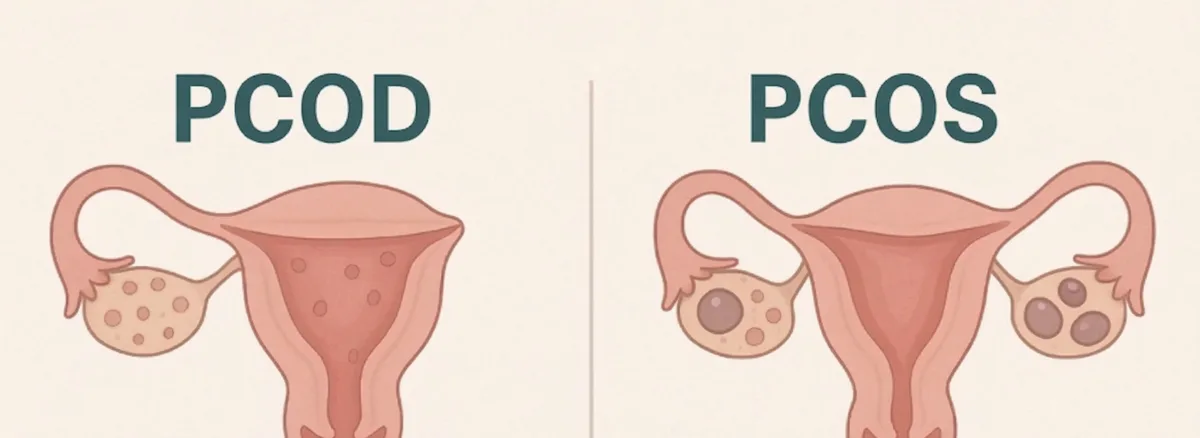
What Is PCOS and What Is PCOD?
Understanding PCOD (Polycystic Ovary Disease)
- PCOD is a condition where the ovaries produce a higher than normal number of immature or partially mature eggs.
- These eggs accumulate inside the ovaries and form cysts, causing the ovaries to become slightly enlarged.
- The ovaries still release eggs, but irregularly.
- Women with PCOD can still conceive naturally in many cases, though some may face challenges.
- PCOD is considered more manageable compared to PCOS.
- With lifestyle changes, balanced diet, regular exercise, and medical guidance, symptoms can be controlled.
- Early and consistent care helps prevent serious long-term complications.
Understanding PCOS (Polycystic Ovary Syndrome)
- PCOS is a more complex hormonal and metabolic disorder.
- It affects not just the ovaries but the entire endocrine system.
- Women with PCOS have elevated androgen levels (male hormones), insulin resistance, and irregular or absent periods.
- The ovaries are usually enlarged with multiple small follicles or cysts.
- PCOS is called a syndrome because it affects the whole body, not just reproductive health.
- It is linked to long-term risks like type 2 diabetes, heart disease, endometrial cancer, anxiety, and depression.
- PCOS requires ongoing medical management and does not resolve on its own.
Key Differences Between PCOD and PCOS
Although PCOD and PCOS share some surface-level similarities, they are fundamentally different conditions with different causes, symptoms, severity, and long-term implications. Understanding these differences is important for every woman who wants to take her health seriously.
| Feature | PCOD | PCOS |
|---|---|---|
| Nature | Hormonal imbalance condition | Endocrine disorder |
| Cause | Lifestyle and diet factors | Metabolic and hormonal dysfunction |
| Ovary size | Slightly enlarged | Significantly enlarged with cysts |
| Hormone levels | Mildly elevated androgens | Significantly elevated androgens |
| Fertility | Can conceive with support | Requires medical assistance |
| Insulin resistance | Mild or absent | Commonly present |
| Long-term risks | Manageable with lifestyle changes | Higher risk of diabetes and heart disease |
| Reversibility | More reversible | Lifelong condition |
PCOD is typically considered a lifestyle-related condition that can be largely controlled through consistent effort. PCOS, on the other hand, is a chronic endocrine disorder with deeper metabolic roots. In PCOS, the hormonal imbalance goes beyond just the ovaries and affects insulin levels, thyroid function, adrenal glands, and cardiovascular health. This is why the treatment approach for PCOS is usually more comprehensive and may involve long-term medical supervision.
Which Condition Is More Dangerous: PCOD or PCOS?
The most important question is which condition is more dangerous, and the honest answer is that PCOS is considered significantly more dangerous than PCOD. While both conditions require medical attention, PCOS carries higher long-term health risks beyond reproductive health.
| Aspect | PCOD | PCOS |
|---|---|---|
| Overall Risk | PCOD is mainly a hormonal imbalance affecting the ovaries and is less dangerous | PCOS is considered significantly more dangerous and affects the whole body |
| Nature of Condition | Affects ovaries with hormonal imbalance | A full-body syndrome with endocrine and metabolic issues |
| Management | Manageable with lifestyle changes and occasional medical support | Requires long-term medical management and monitoring |
| Fertility | Ovulation is irregular but still occurs; many women conceive successfully | Ovulation may not occur in some months; may require IUI or IVF |
| Diabetes Risk | Lower risk compared to PCOS | Higher risk of type 2 diabetes, even at a young age |
| Heart Health | Lower risk of serious cardiovascular issues | Increased risk of high blood pressure and heart disease |
| Cancer Risk | Less associated with long-term complications | Risk of endometrial cancer if untreated |
| Mental Health | Less impact compared to PCOS | Higher chances of depression, anxiety, and mood disorders |
| Hormonal Impact | Hormonal imbalance limited mainly to ovaries | Elevated androgen levels and insulin resistance |
| Disease Progression | Does not turn into PCOS but can worsen if unmanaged | Chronic condition requiring continuous care |
Simple Summary
- PCOS carries higher long-term health risks than PCOD
- PCOD is more manageable with lifestyle changes
- Early diagnosis and proper management are important for both
PCOS Statistics in India and Around the World
PCOS and PCOD are more common than many realize, affecting millions of women worldwide and in India. Understanding these numbers highlights the importance of early diagnosis, awareness, and timely care to manage symptoms and prevent long-term health risks.
Key Statistics
- 10 to 13 per cent of women aged 15 to 49 years worldwide are affected by PCOS, according to the 2023 International Evidence-Based Guideline for PCOS.
- Approximately 1 in 10 women globally may have PCOS during their reproductive years.
- India has one of the highest prevalence rates in the region, based on Global Burden of Disease 2021 data.
- 20 to 25 per cent of women in India (15–49 years) may have PCOS or PCOD — about 1 in 5 Indian women.
- Around 70 per cent of women with PCOS globally remain undiagnosed, meaning many are unaware of their condition.
- More than 116 million women worldwide are currently living with PCOS.
Why This Matters
These numbers highlight the urgent need for awareness, especially in cities like Hyderabad and across Telangana, where many women ignore symptoms or remain undiagnosed. Early consultation with a PCOS specialist in Hyderabad can help prevent complications and improve long-term health outcomes.
Common Symptoms of PCOD and PCOS
One of the reasons PCOD and PCOS are so frequently confused is that they share many overlapping symptoms. However, the intensity and combination of these symptoms often differ between the two conditions.
Symptoms commonly seen in both PCOD and PCOS
Many symptoms overlap in both conditions, making it difficult to differentiate without proper diagnosis. These symptoms are often related to hormonal imbalance and should not be ignored.
- Irregular menstrual cycles are the most common complaint. Periods may come late, too frequently, or be absent for months.
- Heavy or prolonged bleeding during periods is also common.
- Unexplained weight gain, especially around the waist and abdomen.
- Persistent acne beyond teenage years, particularly along the jawline, chin, and back.
- Unusual hair growth on the face, chest, or abdomen (hirsutism).
- Hair thinning or hair loss from the scalp, similar to male-pattern baldness.
- Mood swings, fatigue, and difficulty sleeping are frequently reported.
Symptoms more specific to PCOS
While symptoms may appear similar, PCOS tends to present with more severe and persistent signs due to deeper hormonal and metabolic disruptions.
- Symptoms are generally more severe and long-lasting compared to PCOD.
- Complete absence of periods for extended durations is more common.
- Acne and unwanted hair growth are often more pronounced.
- Skin darkening around the neck, armpits, and groin (acanthosis nigricans), indicating insulin resistance.
- Difficulty conceiving, repeated miscarriages, and ovulation-related challenges.
- Higher chances of depression, anxiety, and emotional exhaustion due to chronic hormonal imbalance.
Diagnosis Tests for PCOD and PCOS
If you are experiencing symptoms, the first step is to consult a gynaecologist or endocrinologist for proper evaluation. There is no single test to diagnose PCOD or PCOS—doctors use a combination of tests to arrive at an accurate diagnosis.
Step 1: Pelvic Ultrasound
- Helps examine the ovaries and the uterine lining
- Identifies the size of the ovaries and the presence of cysts or follicles
- In PCOS: necklace-like arrangement of small follicles
- In PCOD: ovaries may be enlarged with less pronounced cysts
Step 2: Hormone Blood Tests
- Includes LH, FSH, testosterone, estrogen, and prolactin
- In PCOS: higher LH to FSH ratio and elevated testosterone
- DHEAS levels may also be checked
Step 3: Fasting Glucose and Insulin Tests
- Checks blood sugar and insulin levels
- OGTT may be done to assess sugar processing
- High insulin levels indicate PCOS-related metabolic issues
Step 4: Thyroid Function Tests
- Evaluates thyroid hormone levels (TSH)
- Detects hypothyroidism or hyperthyroidism
- Helps identify hormonal imbalance causes
Step 5: Additional Tests
- Lipid profile to check cholesterol
- Liver function tests
- AMH test to assess ovarian reserve
- Complete blood count and vitamin D levels
This combination of tests helps doctors accurately diagnose PCOD or PCOS and plan the right treatment for better health outcomes.
Treatment Procedures for PCOD and PCOS
Managing PCOD and PCOS is a gradual process, not a one-time treatment. The journey focuses on improving hormonal balance, symptoms, and overall health step by step.
Step 1: Diagnosis & Evaluation
- The doctor checks symptoms, menstrual history, and lifestyle
- Blood tests to assess hormone levels and insulin resistance
- Ultrasound to examine the ovaries
- Identifying whether it is PCOD or PCOS
Step 2: Lifestyle Modification (Foundation)
- First and most important step in treatment
- Weight reduction of 5–10% improves hormones and fertility
- Regular exercise (30–45 mins, 5 days/week)
- Balanced diet low in sugar and refined carbs
- Focus on consistency, not perfection
Step 3: Medical Management
- Hormonal therapy to regulate periods
- Medications to reduce androgen levels (acne, hair growth)
- Metformin to manage insulin resistance
- Regular monitoring by doctor
Step 4: Symptom Control
- Treatment for acne, hair fall, and unwanted hair
- Managing mood swings, stress, and sleep issues
- Addressing weight management challenges
Step 5: Fertility Planning (if needed)
- Ovulation induction using medications
- If required → advanced treatments like IUI or IVF
- Continuous monitoring for better success rates
Step 6: Advanced Treatment (Only if required)
- Laparoscopic ovarian drilling in selected PCOS cases
- Used when medications are not effective
- Done under expert medical supervision
Final Note
PCOD and PCOS treatment is not about quick fixes. With the right guidance, consistent lifestyle habits, and timely medical care, women can successfully manage symptoms, improve fertility, and lead a healthy life.
When to Consult a Doctor
Many women wait too long before seeking help, either because they normalise their symptoms or feel anxious about receiving a diagnosis. Early intervention genuinely makes a difference when it comes to PCOD and PCOS.
- If your periods have been irregular for three months or longer, it may indicate a hormonal imbalance and requires medical evaluation.
- Unusual hair growth on the face, chest, or abdomen, or noticeable hair loss from the scalp, may signal elevated androgen levels.
- Acne that persists despite good skincare, especially along the jawline and neck, may have a hormonal cause.
- If you and your partner have been trying to conceive for six months or more without success, a fertility evaluation including PCOS or PCOD screening is recommended.
- Unexplained weight gain and difficulty losing weight despite diet and exercise may be linked to insulin resistance in PCOS.
- Persistent low mood, anxiety, or emotional exhaustion may be connected to hormonal conditions like PCOS.
At Haritha Hospital in Hyderabad, experienced gynaecologists, endocrinologists, and fertility specialists provide comprehensive care for PCOD and PCOS. Whether you are in KPHB, Kukatpally, or anywhere across Hyderabad, expert support is available to help you understand your condition and plan the right treatment for your health and well-being.
Lifestyle Changes for PCOD and PCOS Management
While medications play an important role, long-term management of PCOD and PCOS depends on sustainable lifestyle changes. These daily habits, when practised consistently, can improve hormonal balance, insulin sensitivity, fertility, and overall quality of life.
Daily Movement
- ✔ Do at least 150 minutes of exercise per week
- ✔ Mix cardio (walking, cycling, swimming) + strength (yoga, pilates, weights)
- ✔ Stay consistent, not perfect
Stress Control
- ✔ Practice yoga or meditation daily
- ✔ Try deep breathing or spend time in nature
- ✔ Sleep 7–9 hours every night
- ✔ Avoid chronic stress triggers
Smart Eating
- ✔ Choose whole, fresh foods
- ✔ Avoid processed and packaged foods
- ✔ Support hormone balance with proper nutrition
Reduce Hormonal Disruptors
- ✔ Avoid plastic containers when possible
- ✔ Use glass or stainless steel
- ✔ Limit exposure to pesticides and chemicals
- ✔ Choose natural personal care products
Consistency is Key
- ✔ Small daily habits = big long-term results
- ✔ Focus on balance, not perfection
Diet Plan for Women with PCOD and PCOS
Diet plays a central role in managing PCOD and PCOS as it directly affects insulin levels, hormone balance, inflammation, and weight. The goal is to make nourishing food choices that support long-term hormonal health.
Foods to Focus On
- High-fibre foods like vegetables, legumes, whole grains, and low-glycaemic index fruits help control sugar absorption and insulin levels. Examples: spinach, broccoli, cucumber, carrots, beans, lentils, oats, barley, brown rice, apples, pears, berries.
- Lean proteins such as paneer, eggs, tofu, fish, and chicken support muscle mass and improve insulin sensitivity.
- Healthy fats from nuts, seeds, avocado, and olive oil help reduce inflammation and support hormones.
- Omega-3 fatty acids from walnuts, flaxseeds, and fatty fish help reduce inflammation in PCOS.
Foods to Limit or Avoid
- Refined carbohydrates like white bread, white rice, maida-based foods, biscuits, and pastries increase blood sugar and worsen hormonal imbalance.
- Sugary beverages such as packaged juices, colas, energy drinks, and sweetened teas add excess sugar without nutrition.
- Processed and fast foods are high in unhealthy fats, sugar, and sodium, increasing inflammation.
- Dairy products may worsen acne and androgen levels in some women, so reducing full-fat dairy and observing body response can help.
Sample Daily Diet Plan
| Meal | Recommended Foods | Foods to Avoid |
|---|---|---|
| Breakfast | Oats with nuts, fruit, green tea or vegetable upma | White bread, sugary cereals, packaged juices |
| Mid-morning | A handful of almonds, walnuts or a small fruit | Biscuits, namkeen, fried snacks |
| Lunch | Brown rice or roti with dal, sabzi and a salad | Polished white rice in excess, heavy curries with cream |
| Evening snack | Roasted chana, sprouts chaat or buttermilk | Chips, aerated drinks, sweets |
| Dinner | Grilled paneer or dal with vegetables and small roti | Heavy pasta, fried items, and dessert late at night |
This is a general guide, and individual needs may vary based on weight, metabolic health, and the severity of the condition. A registered dietitian or nutritionist at a hospital like Haritha Hospital can help you create a personalized meal plan that works specifically for your body and lifestyle.
Conclusion
PCOD and PCOS are different conditions, though often confused. PCOD is a hormonal condition affecting the ovaries and is largely manageable with lifestyle changes, while PCOS is a complex endocrine disorder with wider effects and higher long-term health risks, making it more dangerous and requiring sustained medical attention. Early diagnosis is key to better outcomes, improving quality of life, fertility, and long-term health. Haritha Hospital in Hyderabad provides expert care through experienced gynaecologists and fertility specialists in KPHB and Kukatpally, supporting women at every step.
Frequently Asked Questions
Is PCOS more serious than PCOD?
Yes, PCOS is generally considered more serious than PCOD because it affects multiple body systems and has long-term health risks.
- PCOS increases risk of diabetes, heart disease, and endometrial cancer
- PCOD is mainly a hormonal condition affecting ovaries
- PCOD is more manageable with lifestyle changes
Can PCOS turn into PCOD?
No, PCOS and PCOD are different conditions and do not turn into each other.
- Unmanaged PCOD may show symptoms similar to PCOS
- PCOS symptoms can be controlled with treatment
- The underlying condition remains the same
Which condition is harder to treat, PCOS or PCOD?
PCOS is harder to treat because it affects multiple systems and needs long-term care.
- PCOS requires ongoing medication and monitoring
- PCOD responds well to lifestyle changes
- PCOD can improve significantly with consistent effort
What are the first symptoms of PCOS?
The early symptoms of PCOS are related to hormonal imbalance and should not be ignored.
- Irregular periods and weight gain
- Acne and unwanted hair growth
- Hair thinning and skin darkening
How do I know if I have PCOS or PCOD?
You cannot confirm PCOS or PCOD without medical diagnosis.
- Pelvic ultrasound checks ovaries
- Blood tests check hormone levels
- Doctor evaluates symptoms and reports
Is PCOS a lifelong condition?
Yes, PCOS is a lifelong condition, but it can be managed effectively.
- No permanent cure is available
- Symptoms can be controlled with treatment
- Many women live healthy and conceive successfully
How do doctors diagnose PCOS?
Doctors use a combination of tests and criteria for diagnosis.
- Rotterdam Criteria is commonly used
- Includes ovulation issues, androgen levels, ovarian cysts
- Blood tests and ultrasound are required
Can PCOS affect fertility in women?
Yes, PCOS can affect fertility by disrupting ovulation.
- Eggs may not be released regularly
- Natural conception becomes difficult
- Treatments like IUI and IVF can help
What lifestyle changes help manage PCOS?
Lifestyle changes are the most important part of PCOS management.
- Healthy diet and regular exercise
- Reduce sugar and manage stress
- Proper sleep improves hormonal balance
Can PCOS become worse over time?
Yes, PCOS can worsen if not managed properly.
- Increases risk of diabetes and heart disease
- Hormonal imbalance becomes more severe
- Early treatment helps prevent complications
Is PCOD more dangerous than PCOS?
No, PCOD is not more dangerous than PCOS.
- PCOS is a systemic condition affecting multiple body systems
- PCOD mainly affects the ovaries and is more manageable
- PCOS has higher long-term health risks