
Introduction
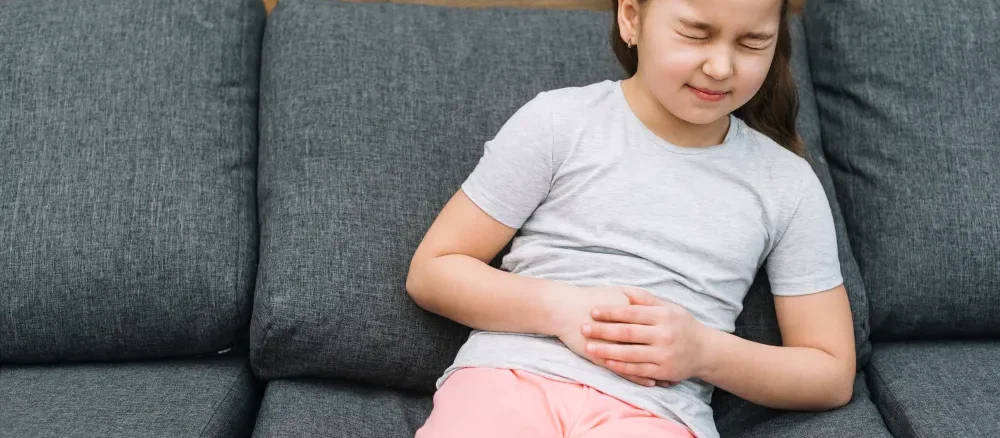
Every parent knows how distressing it is to see their child struggle in the bathroom—grunting, crying, or avoiding the toilet altogether. Constipation in children is a common issue that can cause pain, irritability, and anxiety for both the child and caregiver. Medically, constipation refers to infrequent bowel movements (fewer than three per week), hard or dry stools, or painful stool passages. The good news? Most cases can be managed safely at home with simple, natural remedies. However, it’s equally important to know when constipation signals a deeper issue that requires professional medical attention.
In this post, we’ll explore effective natural remedies for constipation in children and outline the warning signs that indicate it’s time to seek help from a pediatric gastroenterologist.
Understanding the Basics of Pediatric Constipation
Why It Happens
Constipation in children has several common causes, most of which are linked to diet, behavior, and lifestyle changes.
- Dietary factors:
Low fiber intake is one of the leading culprits. Children who consume mostly refined or processed foods—like white bread, pastries, or fast food—often don’t get enough fiber to keep their digestive system running smoothly. Insufficient water or fluid intake can further dry out the stool, making it harder to pass. - Behavioral Factors (Stool Withholding):
Sometimes, constipation becomes a cycle. A child may have had a painful bowel movement once and now fears using the toilet, leading them to “hold it in.” Ignoring the urge to go—especially during playtime or at school—only makes the stool firmer and more difficult to pass later. - Routine changes:
Even minor shifts in your routine, such as traveling, starting daycare or school, or recovering from an illness, can disrupt bowel regularity.
Recognizing the signs
Parents should watch for key indicators that suggest their child is constipated:
- Straining or crying during bowel movements
- Passing hard, pellet-like stools
- Complaining about tummy ache or bloating
- Reduced appetite or irritability
- Soiled underwear (due to overflow of loose stool around impacted feces)
Safe and natural home remedies
Before turning to medications, many cases of constipation in children can be relieved with gentle, natural remedies that support healthy digestion. Here’s what you can do at home:
1. The Power of Hydration
Water is one of the simplest yet most effective ways to prevent and relieve constipation. Encourage your child to drink small amounts frequently throughout the day. A general guide is:
- Toddlers (1–3 years): About 4 cups (1 liter) daily
- Older children (4–8 years): Around 5–6 cups (1.2–1.4 liters).
Offer water as the main beverage and avoid excessive sugary juices or carbonated drinks, which can worsen dehydration. Clear soups and diluted fruit juices (especially prune or pear juice) can also help soften the stool naturally.
2. Dietary Adjustments: Fiber Focus
Fiber adds bulk and softness to stool, helping it move more easily through the intestines. To boost your child’s fiber intake:
- Introducing the “P-Fruits” — Prunes, Pears, Peaches, and Plums. These fruits contain natural sorbitol, a mild laxative compound.
- Add high-fiber vegetables like broccoli, peas, and carrots to your meals.
- Choose whole grains (brown rice, whole wheat bread, oats) and legumes (beans, lentils, chickpeas).
A simple rule of thumb for children’s daily fiber needs is:
Age in years + 5 grams (for example, a 6-year-old needs about 11 grams of fiber per day).
Start slowly-introducing too much fiber too quickly can cause gas or bloating. Pair every fiber increase with plenty of water.
3. Movement and Routine Matter
Physical activity stimulates digestion. Encourage your child to run, jump, dance, or play outdoors daily. Even light movement helps the intestines contract more effectively.
In addition, establish a regular toilet routine. Encourage your child to sit on the potty or toilet for 5–10 minutes after meals—this timing takes advantage of the body’s natural gastrocolic reflex, which triggers bowel activity after eating. Make the experience calm and positive — reading a book or playing soft music can help them relax.
When to Seek Professional Help
While most cases of childhood constipation improve with home care, some symptoms signal that it’s time to seek medical advice.
1. Duration and severity.
Consult a pediatrician if:
- Constipation lasted more than two weeks despite diet and lifestyle changes.
- Your child experiences severe or persistent pain before, during, or after bowel movements.
Chronic constipation can sometimes lead to stool impaction or underlying medical issues that require professional management.
2. Alarm Symptoms (IMMEDIATE CONSULTATION NEEDED)
Seek immediate medical attention if you notice:
- Blood in the stool (bright red or dark tar-like)
- Vomiting, refusal to eat, or unexplained weight loss
- Severe abdominal swelling or persistent fever
These signs could indicate more serious digestive or metabolic problems and should never be ignored.
3. The Role of a Specialist
If basic remedies don’t work or if your child’s constipation keeps returning, a pediatric gastroenterologist can help identify underlying causes—such as food intolerances, thyroid imbalances, or intestinal motility disorders. They may recommend specialized treatments, including child-safe laxatives or stool softeners, tailored to your child’s needs.
Conclusion
Constipation in children is common, but it doesn’t have to disrupt your family’s peace. In most cases, simple lifestyle changes—like hydration, balanced fiber intake, regular movement, and routine toilet time; can bring fast relief. Remember, patience and consistency are key.
However, if your child’s symptoms are persistent, painful, or accompanied by red flags like blood in the stool or weight loss, it’s crucial to consult a medical professional promptly.
If your child’s constipation is persistent, complex, or accompanied by alarming symptoms, it’s time to consult an expert. Connect with the leading specialists in Pediatric Gastroenterology at Haritha Hospitals for a personalized diagnosis and comprehensive care that gets to the root of the problem—so your little one can get back to feeling happy, healthy, and active again.